

.jpg)



.jpg)


Why Winter Is the Best Time to Catch Roof Problems (And the Worst Time to Ignore Them)
- TNT Roofing and RestorationLLC
- Jan 24
- 2 min read
Most homeowners assume roof problems show up during heavy rain or big storms. In reality, winter is when roofs quietly fail—and most people don’t realize it until the damage has already spread.
Cold temperatures, freeze-thaw cycles, and trapped moisture put stress on every layer of a roof. Materials contract, seals harden, and small imperfections that were harmless in summer start to open up.
This is why winter inspections matter.
Freeze-Thaw Is What Actually Breaks Roofs
When temperatures swing above and below freezing, moisture gets into tiny gaps and expands. That expansion doesn’t just affect shingles—it impacts underlayment, flashing, valleys, vent penetrations, and chimney areas.
Most leaks don’t come from missing shingles. They come from:
Nail heads slowly backing out
Flashing separating by fractions of an inch
Old sealants losing flexibility
Valleys holding moisture longer than designed
These issues don’t look dramatic from the ground, but they’re exactly what cause interior stains, mold growth, and insulation damage.
Winter Reveals Weak Spots You Can’t See in Summer
Cold weather removes the “forgiveness” roofs get during warmer months. Materials stiffen, water drains slower, and ice highlights problem areas.
That’s why winter inspections often catch:
Early-stage leaks before drywall damage
Vent and pipe boot failures
Improper previous repairs
Poor drainage or valley design issues
Catching these early is the difference between a minor repair and a full interior restoration.
Why Waiting Until Spring Costs More
By the time spring rains hit, winter damage has already done its work. Moisture trapped during cold months spreads silently through decking, insulation, and framing.
Homeowners who wait often face:
Larger repair scopes
Insurance complications
Mold remediation
Higher overall project costs
A simple winter inspection can prevent all of that.
What a Proper Inspection Actually Looks Like
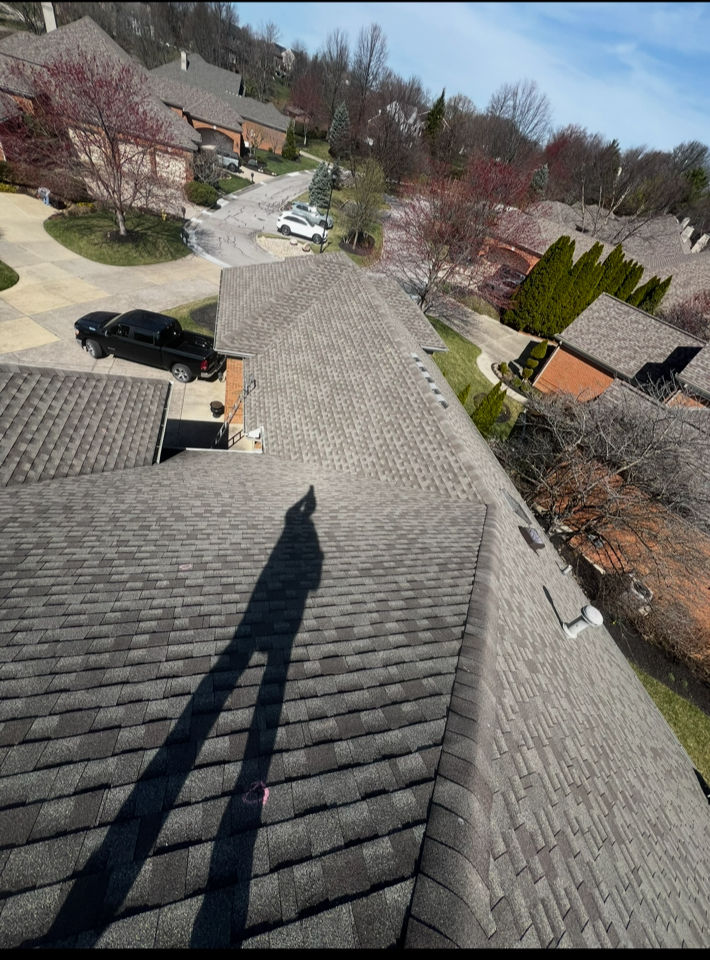
A real inspection isn’t a glance from the ladder or a few phone photos. It means getting on the roof, checking transitions, feeling for soft spots, and verifying that water is moving where it should.
This is especially important for homes with:
Valleys
Multiple roof lines
Chimneys
Additions or older sections
These areas fail first.
The Bottom Line
Winter isn’t the season to ignore your roof—it’s the season that tells the truth about it.
If there’s a problem, winter will expose it. The only question is whether it gets caught early or after damage spreads.
If you’re unsure about your roof, now is the time to find out—not after ceilings start staining.


Comments